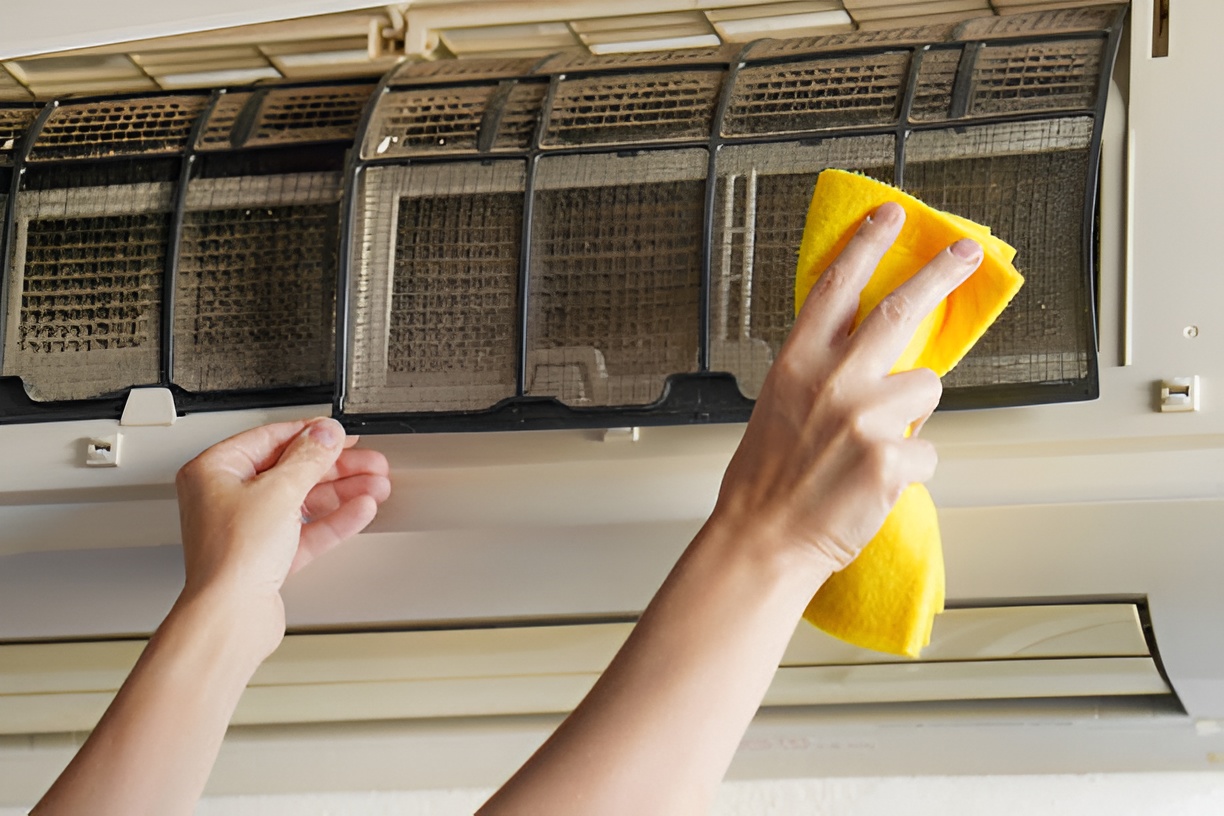
- Dirty AC coils reduce cooling efficiency, increase energy bills, and can shorten the lifespan of your system.
- Regular inspections and cleaning of evaporator and condenser coils are essential for optimal performance.
- Signs that coils need cleaning include poor cooling, high energy bills, ice buildup, unusual noises, or musty odors.
- Cleaning coils involves turning off the power, removing debris, brushing, applying coil cleaner, rinsing, and reassembling safely.
- Using proper tools and gentle cleaning methods prevents damage to delicate fins and other AC components.
- Maintaining clean coils through regular filter changes and keeping the area around the unit clear extends AC efficiency.
- While DIY cleaning is possible, professional maintenance is recommended for hard-to-reach coils or complex systems.
Air conditioning is essential for keeping your home comfortable, especially during hot months. But many homeowners overlook a crucial part of their AC unit—the coils. Dirty AC coils can reduce efficiency, increase energy bills, and even cause long-term damage to your system. In this guide, we’ll show you how to clean AC coils step by step, why it matters, and some pro tips to keep your unit running efficiently.
Why Are AC Coils So Important?
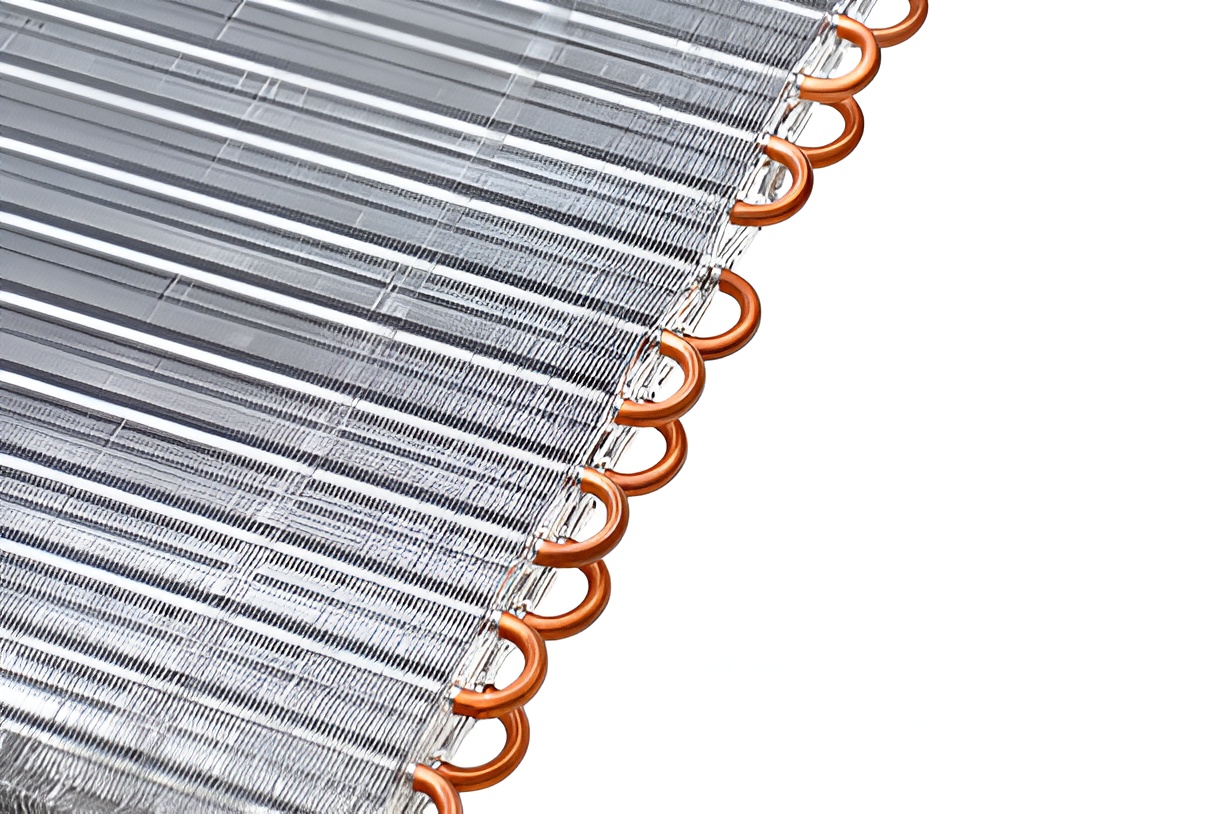
AC coils, which include the evaporator and condenser coils, play a critical role in the cooling process. The evaporator coil absorbs heat from your home, while the condenser coil releases that heat outside. When these coils become dirty or clogged with dust, mold, or debris, they struggle to transfer heat properly. This means:
- Your AC works harder, using more energy
- Cooling efficiency drops, making rooms warmer than they should be
- You may experience higher utility bills
- Potential long-term damage could shorten the lifespan of your unit
Understanding how to clean your AC unit ensures it runs efficiently and prevents unnecessary wear and tear. Keeping coils clean is one of the easiest ways to maintain your AC’s performance and save on energy costs.
How Often Should You Clean AC Coils?
You might wonder how often you need to tackle AC coil cleaning. While it depends on factors like the environment, usage, and whether you have pets, a general rule of thumb is:
- Evaporator coils: Inspect every 6 months; clean annually
- Condenser coils: Inspect every 3 months; clean at least once a year
- Heavy use areas: If your AC runs frequently or is in a dusty area, check coils more often
Regular inspections help catch dirt and buildup before it becomes a serious problem.
Signs Your AC Coils Need Cleaning
Before diving into cleaning, it helps to know if your coils actually need attention. Watch out for these signs:
- Your home isn’t cooling as quickly or evenly
- Energy bills have suddenly increased
- Ice forms on the coils or refrigerant lines
- AC makes unusual noises or cycles on and off frequently
- You notice musty odors coming from the vents
If you spot any of these issues, it’s likely time to clean your coils.
What Tools Do You Need to Clean AC Coils?
Cleaning your AC coils doesn’t require a full toolbox, but having the right tools makes the process easier and safer. You’ll need:
- Soft brush or coil cleaning brush
- Coil cleaner (foam or liquid; choose one appropriate for your unit type)
- Garden hose with gentle spray
- Screwdriver (for removing panels if necessary)
- Gloves and safety goggles
- Vacuum with soft brush attachment (optional for light dust removal)
Having these tools on hand helps ensure you do a thorough job without damaging your AC unit.
How to Clean AC Coils: Step-by-Step Guide
Now let’s get into the main event—how to clean AC coils. Follow these steps carefully for the best results.
1. Turn Off the Power
Before doing any maintenance, always turn off the power to your AC unit. You can do this by:
- Switching off the breaker at your electrical panel
- Confirming the unit is completely off before proceeding
Safety first—AC units carry electricity, and wet coils can create hazards if the power is still on.
2. Remove Debris Around the Unit
Start by clearing the area around your outdoor condenser unit. Remove:
- Leaves, sticks, and dirt
- Grass clippings or mulch that may have collected near the fins
- Any obstructions that could restrict airflow
Keeping the area clean prevents new debris from getting onto your coils after cleaning.
3. Access the Coils
Depending on your system, you may need to remove panels to reach the coils:
- Evaporator coils: Usually inside the air handler; remove the access panel
- Condenser coils: Located outside; remove the top grille or side panels
Take care not to bend or damage the delicate fins on the coils.
4. Use a Soft Brush to Remove Loose Dirt
Before applying any liquid cleaner, gently brush the coils to remove dust and loose debris. Use a coil brush or a soft-bristle brush. Avoid using anything too stiff, as it could bend the fins and reduce efficiency.
5. Apply Coil Cleaner
Choose a coil cleaner suitable for your system. There are two main types:
- Foam cleaners: Expand to penetrate dirt and rinse off easily
- Liquid cleaners: Spray directly and scrub gently if needed
Follow the manufacturer’s instructions carefully. Usually, you’ll spray the coils, let the cleaner sit for 5–10 minutes, then rinse.
6. Rinse the Coils
After letting the cleaner work, rinse the coils with water:
- Use a gentle spray from a garden hose
- Avoid high-pressure sprays that can bend fins or damage components
- Make sure water drains properly and does not pool around electrical parts
7. Straighten Bent Fins (Optional)
If you notice bent fins, use a fin comb to straighten them. Proper airflow improves efficiency and prevents hot spots on the coils.
8. Reassemble and Test
Once everything is clean and dry:
- Reattach any panels you removed
- Turn the power back on
- Test your AC to ensure it’s cooling efficiently
You should notice smoother airflow and improved cooling after cleaning.
Tips to Maintain Clean AC Coils Longer

Cleaning your coils is essential, but keeping them clean is even better. Here are some tips:
- Change or clean your air filters every 1–3 months
- Keep the area around outdoor units free of debris
- Trim bushes or plants around your AC unit to maintain airflow
- Schedule regular professional inspections annually
- Consider installing a pre-filter if you live in a dusty environment
These small habits can extend the life of your unit and save money on energy bills.
Can You Clean AC Coils Yourself or Should You Hire a Professional?
Many homeowners can handle basic coil cleaning themselves, especially outdoor condenser coils. However, there are situations where hiring a professional is a safer choice:
- Evaporator coils inside the air handler can be tricky to access
- Refrigerant lines are involved; handling them without proper knowledge can be dangerous
- Deep cleaning or mold contamination may require specialized equipment
A professional HVAC technician can also check for hidden issues like leaks, low refrigerant, or damaged fins while cleaning the coils.
Common Mistakes to Avoid When Cleaning AC Coils
Even small mistakes can damage your AC or reduce efficiency. Avoid these common errors:
- Using harsh chemicals not intended for AC coils
- Applying too much water pressure and bending fins
- Skipping safety precautions like turning off the power
- Neglecting the surrounding area, allowing debris to fall back on the coils
- Waiting too long between cleanings, letting dirt build up heavily
Being careful and methodical ensures your cleaning is effective and safe.
How Cleaning AC Coils Lowers Energy Bills
You might be wondering how much of a difference cleaning your coils really makes. Here’s why it helps:
- Improved airflow: Less dust and dirt allow air to circulate efficiently, reducing the load on your compressor
- Better heat transfer: Clean coils absorb and release heat properly, reducing cooling time
- Reduced wear and tear: A less-strained system uses less electricity and requires fewer repairs
On average, a clean AC can save 5–15% on energy bills, which can add up significantly over a year.
Signs It’s Time for a Full AC Tune-Up
Even with clean coils, your AC needs regular maintenance. Schedule a full tune-up if you notice:
- Persistent high energy bills despite regular cleaning
- Uneven cooling in different rooms
- Strange odors, noises, or frequent cycling
- Refrigerant leaks or ice buildup
A professional can perform a comprehensive inspection, cleaning, and repairs to keep your system in top shape.
Eco-Friendly Ways to Clean AC Coils
For environmentally-conscious homeowners, there are ways to clean coils without harsh chemicals:
- Use mild dish soap and water for light dirt
- Vinegar and water solution for mold or mildew
- Avoid ammonia-based or acidic cleaners that can harm the environment
Eco-friendly methods still require care and proper rinsing to ensure no residue is left behind.
Final Thoughts: Make AC Coil Cleaning a Habit
Learning how to clean AC coils is a simple step that can have a major impact on your comfort, energy bills, and AC lifespan. By combining regular inspections, DIY cleaning, and occasional professional tune-ups, you can keep your system running efficiently all year long.
Remember:
- Clean coils = better cooling + lower energy bills
- Regular maintenance prevents costly repairs
- Safety and proper tools are key to effective cleaning
Making AC coil cleaning a part of your home maintenance routine ensures you stay cool, comfortable, and energy-smart.