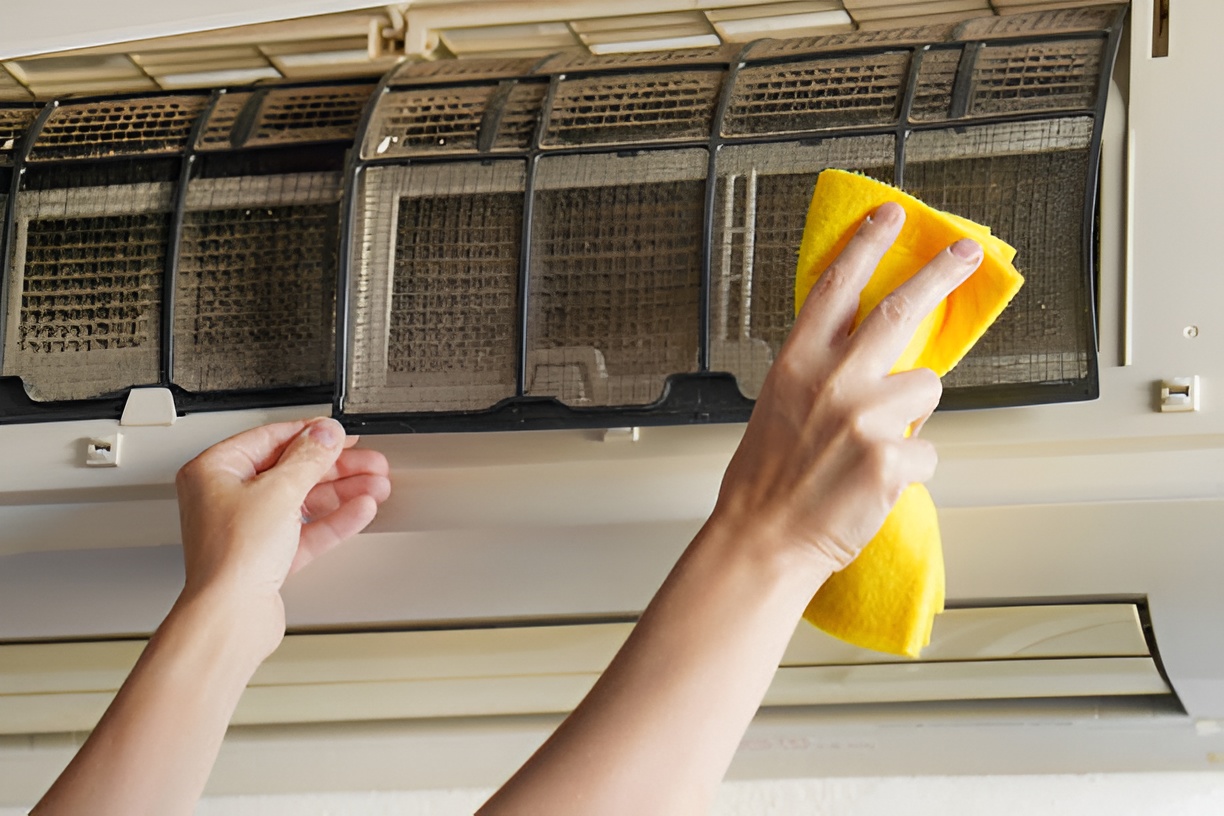
- Regular cleaning boosts efficiency and lowers bills – Dirt in filters, coils, and vents forces your AC to work harder, consuming more energy.
- Filters need frequent attention – Clean or replace them every 1–3 months to maintain airflow and prevent dust or mold buildup.
- Coils and condensers impact cooling performance – Evaporator and condenser coils should be cleaned at least once a year to ensure proper heat transfer and airflow.
- Vents, ducts, and drain lines affect air quality and system health – Dust in vents or clogs in condensate lines can reduce efficiency, spread allergens, and cause water damage.
- Safety and proper cleaning techniques are essential – Always power off the AC, use mild cleaners, and avoid spraying electrical components directly.
- DIY vs professional cleaning – Simple maintenance like filters and accessible coils can be done at home, but deep coil, duct, or complex system cleaning may require a professional.
- Ongoing maintenance preserves your AC and saves money – Seasonal inspections, keeping outdoor units clear, and using a programmable thermostat prolongs system life and reduces energy costs.
If your AC isn’t cooling as it should or your energy bills are climbing, a dirty unit might be to blame. Regular cleaning of your AC unit isn’t just about aesthetics—it directly impacts how well your system cools your home and how much energy it consumes. In this guide, we’ll walk you through everything you need to know about how to clean AC unit effectively and safely, so you can enjoy a cooler home and lower bills.
Why Cleaning Your AC Unit Matters
You might think dust and debris are harmless, but they can seriously reduce your AC’s efficiency. Over time, dirt accumulates in the filters, coils, and vents, causing your unit to work harder to cool your home. This not only raises energy consumption but also accelerates wear and tear.
Benefits of cleaning your AC include:
- Improved cooling performance
- Lower energy bills
- Longer lifespan of your system
- Better indoor air quality
- Reduced chances of costly repairs
Even if your AC seems to be working fine, a dirty system could be silently inflating your energy bills. Regular cleaning is preventative maintenance that pays off in comfort and savings.
How Often Should You Clean Your AC Unit?
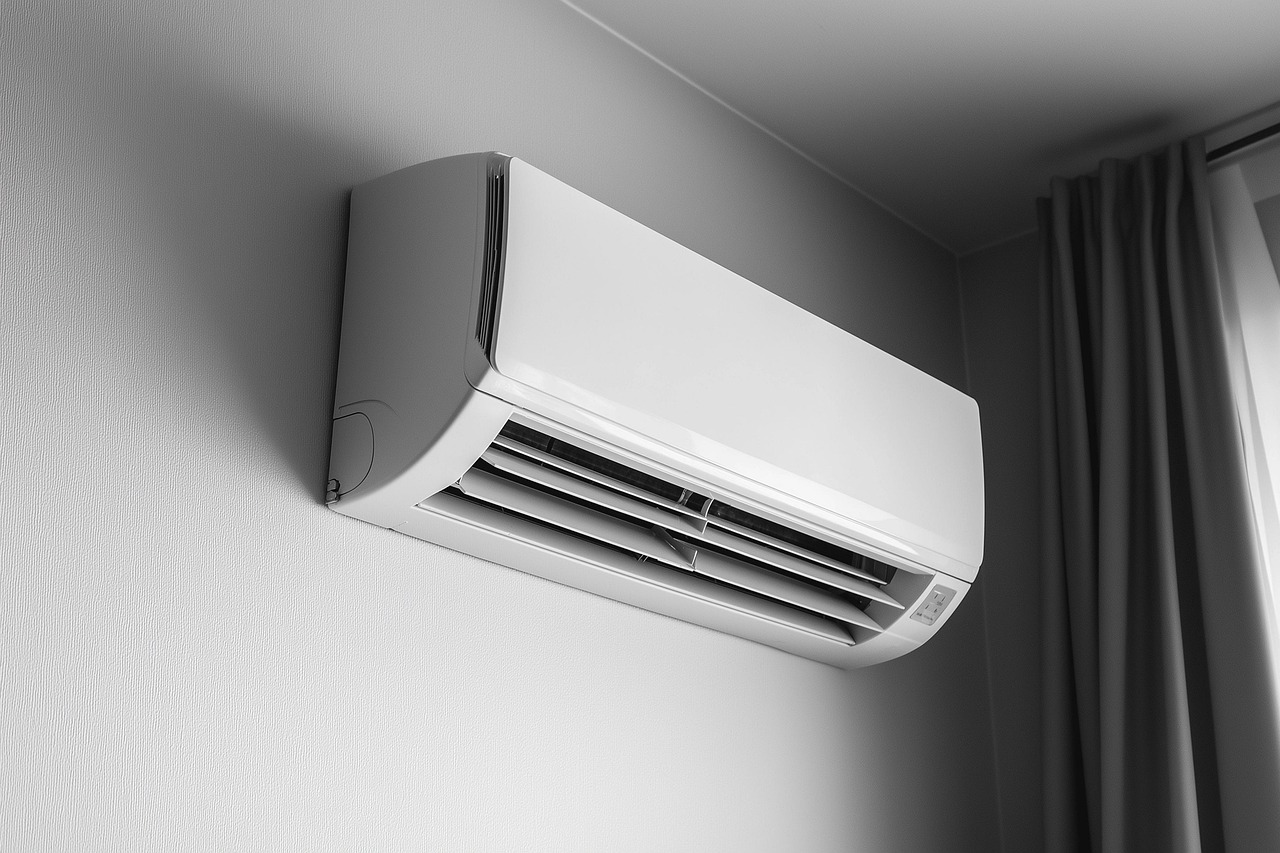
One of the most common questions homeowners ask is, “How often should I clean my AC unit?” The answer depends on your usage, environment, and system type.
- Filters: Every 1–3 months
- Evaporator coils: Once a year
- Condensate drain line: Every 3–6 months
- Exterior unit: Every 6–12 months
If you live in a dusty area, have pets, or frequently use your AC, you may need to clean your unit more often. Regular inspection helps identify dirt buildup before it affects performance.
What You Need Before Cleaning Your AC
Before you start cleaning, gather these essentials:
- Screwdriver set
- Soft brush or cloth
- Vacuum with hose attachment
- Coil cleaner or mild detergent
- Garden hose (for outdoor unit)
- Gloves and safety goggles
Having everything ready makes the process smoother and ensures you clean every part effectively.
How to Clean AC Unit Filters
Filters are the first line of defense for your AC system, trapping dust, pollen, and other particles. Over time, they get clogged, restricting airflow and forcing your AC to work harder, which can spike energy bills. Proper cleaning ensures efficiency and better air quality.
Step-by-Step Cleaning:
- Turn off the AC power – Safety first. Switch off the AC at the thermostat and the breaker to prevent any accidents.
- Remove the filter – Open the access panel or grille and carefully slide out the filter. Note the orientation so you can reinstall it correctly.
- Vacuum both sides – Use a vacuum with a brush attachment to remove loose dust and debris. Be gentle to avoid tearing the filter.
- Wash washable filters – Rinse with lukewarm water. Use a mild detergent if the filter is very dirty. Avoid scrubbing too hard to prevent damage.
- Dry completely – Let the filter air-dry thoroughly. Never reinstall a damp filter, as it can cause mold growth and reduce efficiency.
- Replace non-washable filters – If the filter cannot be washed, replace it every 3 months or sooner if it looks dirty.
Pro tip: If you notice mold, discoloration, or a persistent odor, it’s safer to replace the filter rather than risk contamination.
How to Clean the Evaporator Coils
Evaporator coils are responsible for absorbing heat from your home. Dust and grime on these coils reduce cooling efficiency and increase energy use. Cleaning them requires care to avoid damage.
Step-by-Step Cleaning:
- Turn off the power at the breaker – Never work on coils with electricity running.
- Remove the access panel – This usually requires a screwdriver. Keep screws safe so they don’t get lost.
- Brush away dust – Use a soft, non-metallic brush to gently remove loose debris. Avoid bending the delicate fins.
- Apply coil cleaner or soap solution – Spray a dedicated coil cleaner or a mild solution of warm water and dish soap. Let it penetrate for 5–10 minutes.
- Rinse carefully – Use a spray bottle or low-pressure water to rinse away cleaner and debris. Avoid soaking the surrounding electrical components.
- Reassemble and restore power – Once dry, replace the panel and switch the breaker back on.
Tip: Be cautious with water around electrical parts. Excess moisture can cause short circuits or corrosion.
How to Clean the Condenser Coils (Outdoor Unit)
The outdoor condenser unit collects dust, leaves, grass, and other debris. A dirty condenser reduces airflow, forcing your system to overwork. Cleaning it boosts cooling efficiency and lowers energy bills.
Step-by-Step Cleaning:
- Turn off the power – Switch off the breaker to the outdoor unit to ensure safety.
- Remove large debris by hand – Leaves, twigs, and grass clippings can be easily removed by hand.
- Brush the fins gently – Use a soft brush to sweep away dirt from the fins. Avoid bending them, as it reduces airflow.
- Apply coil cleaner – Spray a coil cleaning solution according to the product instructions.
- Rinse from top to bottom – Use a garden hose on low pressure. High-pressure water can bend the fins or damage the unit.
- Straighten bent fins – Use a fin comb to restore airflow if needed.
- Clean surrounding area – Keep the area around the condenser clear of plants or debris.
Cleaning the outdoor unit at least once a year ensures maximum airflow and efficiency.
How to Clean AC Unit Vents and Ducts
Air vents and ducts deliver cooled air throughout your home. Dust accumulation reduces airflow, increases energy use, and can spread allergens.
Step-by-Step Cleaning:
- Remove vent covers – Unscrew or pull off the covers carefully.
- Wash vent covers – Clean with warm water and mild soap, then dry completely.
- Vacuum inside ducts – Use a vacuum with a hose attachment to remove dust and debris from accessible duct openings.
- Professional cleaning (optional) – For deep cleaning, especially in long or complex duct systems, consider hiring professionals every few years.
- Reinstall vent covers – Make sure vents are clear and unobstructed.
Keeping ducts and vents clean not only improves airflow and efficiency but also enhances indoor air quality.
How to Clear the Condensate Drain Line
A clogged condensate drain line can cause water leaks, promote mold growth, and reduce cooling efficiency. Regular cleaning prevents damage.
Step-by-Step Cleaning:
- Locate the drain line – It’s usually near the indoor AC unit or evaporator coil.
- Use a wet-dry vacuum – Attach the vacuum to the drain line to remove debris.
- Flush with vinegar or bleach – Pour 1 cup of distilled white vinegar or a mild bleach solution to break down any buildup inside the line.
- Rinse with water – Ensure the line is clear and water flows freely.
- Check regularly – Inspect the line every few months for clogs or slow drainage.
A clear condensate line keeps your AC operating smoothly and prevents water damage to your home.
How to Use Cleaning Products Safely
AC units involve electrical components and delicate coils. Using cleaning products safely is crucial.
- Choose mild or AC-specific products – Avoid harsh chemicals that can corrode coils.
- Wear safety gear – Gloves and safety glasses protect against splashes.
- Avoid spraying electrical parts – Water or cleaning solutions on wires or motors can cause shorts.
- Power off the unit – Always switch off the AC before cleaning any part.
- Ventilate the area – If using chemical cleaners, ensure proper ventilation to avoid fumes.
Following these precautions protects both you and your AC system.
How to Spot Signs Your AC Needs Cleaning
Even if your AC seems fine, there may be hidden issues caused by dirt and debris. Watch for these warning signs:
- Reduced airflow – Weak air coming from vents often indicates clogged filters or coils.
- Unpleasant odors – Musty smells may indicate mold buildup in filters or coils.
- Higher energy bills – Increased consumption may point to inefficiency.
- Ice forming on coils – Dirt on coils can cause freezing.
- Strange noises – Buzzing, rattling, or hissing can signal clogs or dirt interference.
Early detection allows you to clean and maintain your AC before bigger problems arise.
How to Maintain Your AC Between Cleanings
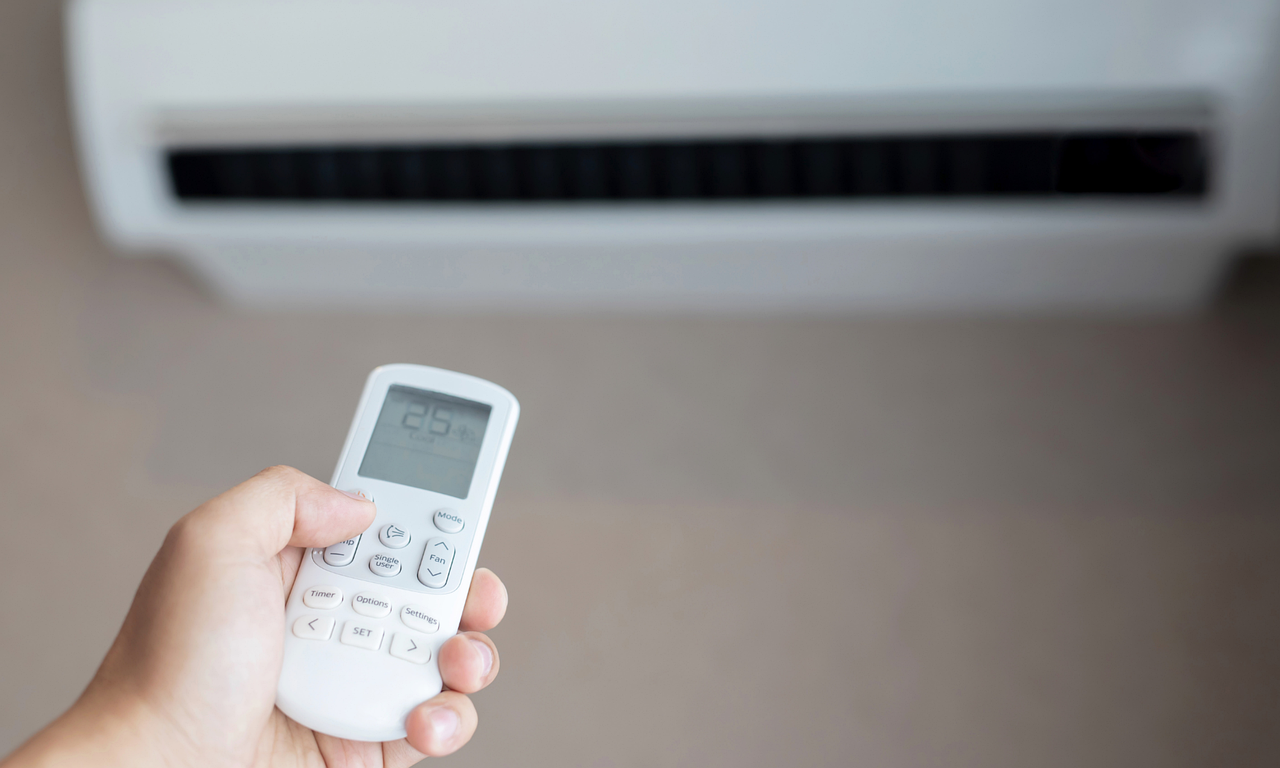
Regular cleaning is important, but ongoing maintenance ensures your AC runs efficiently all year.
- Keep vents and outdoor units clear – Avoid blocking airflow with furniture, plants, or debris.
- Check and replace filters regularly – Even clean filters should be inspected monthly.
- Remove debris from outdoor units – Leaves, branches, and dirt can obstruct airflow.
- Schedule professional maintenance – Annual inspections help detect refrigerant leaks or mechanical issues early.
- Use a programmable thermostat – Reduces strain on the system and saves energy.
Consistent care not only improves performance but also prolongs the life of your AC unit.
Can You Clean AC Unit Yourself or Hire a Professional?
Many homeowners wonder if cleaning an AC unit is a DIY task or better left to professionals.
DIY Cleaning:
- Good for filters, vents, and minor coil cleaning
- Saves money
- Requires careful attention to avoid damage
Professional Cleaning:
- Best for deep coil cleaning, ducts, and complex units
- Ensures proper handling of chemicals and electrical components
- May include inspection for leaks or worn parts
A combination of DIY and professional maintenance often gives the best results for cooling efficiency and cost savings.
How Cleaning AC Unit Saves Energy and Money
A dirty AC unit works harder to cool your home, consuming more electricity. By keeping filters, coils, and vents clean, you reduce strain on the system. Here’s how it translates into savings:
- Lower energy bills: Cleaner units require less power to cool effectively.
- Fewer repairs: Regular cleaning prevents breakdowns caused by dirt and clogs.
- Extended lifespan: A well-maintained AC lasts longer, delaying replacement costs.
- Improved performance: Your home cools faster and more evenly.
Over time, the cost of cleaning is far less than the added electricity and repair bills caused by neglect.
Seasonal Tips for Cleaning Your AC
Different seasons require different maintenance priorities:
Spring:
- Clean filters and vents
- Check refrigerant levels
- Inspect coils for dirt accumulation
Summer:
- Remove debris around the outdoor unit
- Vacuum indoor vents
- Check for unusual noises during peak usage
Fall:
- Clean and store outdoor covers
- Inspect for mold and moisture
- Schedule professional inspection if needed
Winter:
- Cover outdoor unit to prevent debris accumulation
- Avoid using AC, but run occasional checks
- Inspect drain lines for clogs
Seasonal attention keeps your AC performing at peak efficiency year-round.
Common Mistakes to Avoid When Cleaning AC Units
Even well-intentioned cleaning can sometimes do more harm than good. Avoid these common mistakes:
- Using high-pressure water on delicate coils
- Cleaning electrical components while powered on
- Skipping filter maintenance
- Neglecting the outdoor unit
- Using harsh chemicals not designed for ACs
By following proper techniques, you protect your unit and maximize its efficiency.
Quick Cleaning Tips for Busy Homeowners
If you don’t have hours to spend, focus on these high-impact areas:
- Replace or clean filters monthly
- Clear debris from the outdoor condenser
- Vacuum vents and air returns
- Wipe down accessible coils with a soft brush
- Check the condensate drain line for clogs
Even a quick routine can reduce energy use and maintain comfort.
Wrapping Up
Learning how to clean AC unit properly is one of the simplest ways to improve your home’s cooling efficiency and lower energy bills. From filters and coils to vents and drain lines, every component plays a role in performance. By maintaining your system regularly, you save money, improve indoor air quality, and extend the life of your AC. Whether you tackle cleaning yourself or hire a professional, a clean unit ensures you stay cool while keeping energy costs under control.
